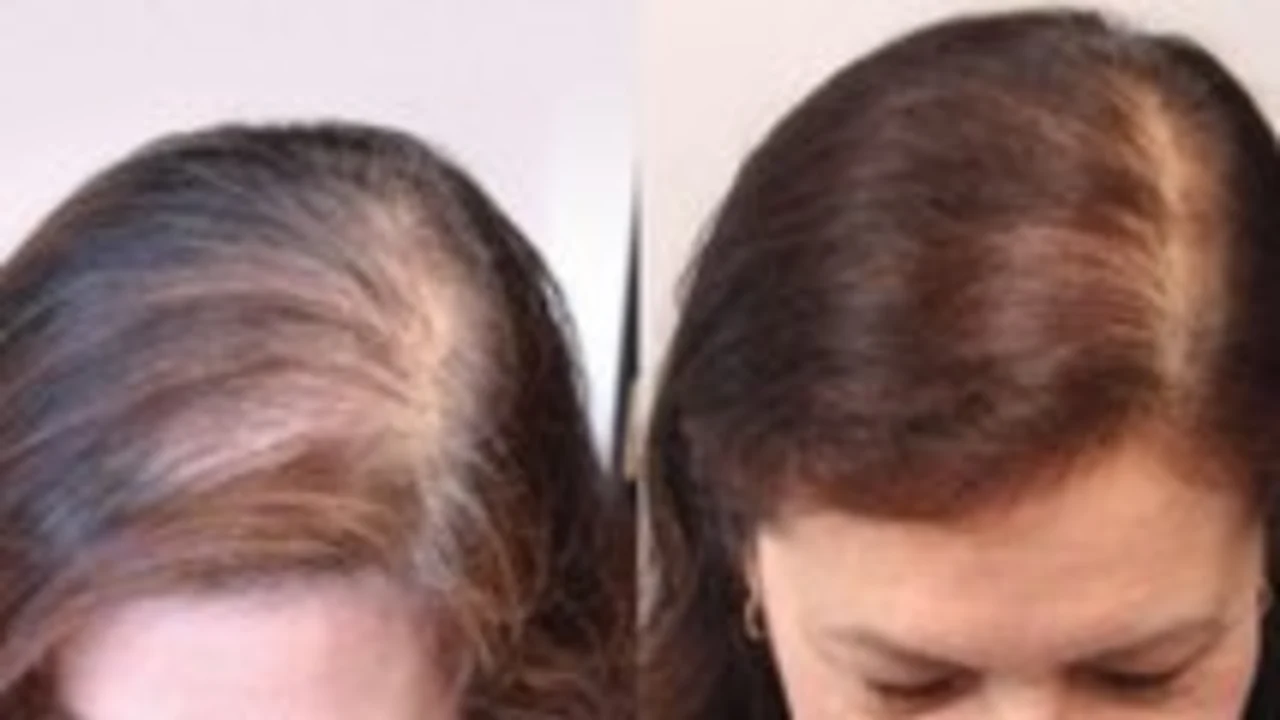
Hair Loss: What’s Happening and How to Fight It

If you’ve noticed more strands on your pillow or in the shower, you’re not alone. Hair loss can feel personal, but it’s actually a common issue that affects millions of people every year. The good news? Most causes are manageable, and there are proven ways to slow or even reverse the process. Below you’ll find straight‑forward advice you can start using today.

Common Causes of Hair Loss

First, it helps to know why hair falls out. Hormones play a big role—especially dihydrotestosterone (DHT), which shrinks hair follicles in people prone to male‑or‑female pattern baldness. Stress is another sneaky culprit; a big exam, a sudden loss, or chronic anxiety can push many hairs into the “shedding” phase. Nutrient gaps, like low iron or vitamin D, also weaken strands. Finally, certain meds (including some for high blood pressure or depression) can tip the balance.

Understanding the root cause lets you target the right solution. If you suspect hormonal factors, a doctor can run a simple blood test. If stress feels like the main driver, lifestyle tweaks may do the trick. And if you’re missing key vitamins, a quick supplement regimen can make a noticeable difference.

Effective Treatment Options

When it comes to treatment, the market is crowded, but a few options consistently show results. The most popular prescription is finasteride (known as Propecia). It blocks DHT production and can halt thinning in many users. However, not everyone tolerates it, and some look for alternatives.

Our own article on “8 Alternatives to Propecia for Hair Loss” breaks down options like topical finasteride, low‑dose oral minoxidil, natural extracts such as saw‑palmetto, and newer hair‑growth peptides. Each comes with its own pros and cons, so you can pick what feels right for your budget and health profile.

Over‑the‑counter minoxidil (Rogaine) stays popular because it’s easy to apply and works for both men and women. For those who want a non‑drug approach, a combination of proper nutrition, scalp massage, and low‑level laser therapy can boost circulation and encourage follicles to stay active.

Don’t forget lifestyle basics: get enough sleep, manage stress with short walks or meditation, and keep your scalp clean but not over‑washed. A diet rich in protein, omega‑3 fatty acids, and biotin‑rich foods (eggs, nuts, leafy greens) supplies the building blocks hair needs to grow strong.

If you’re considering any prescription or supplement, talk to a healthcare professional first. They can help you rule out underlying conditions like thyroid disorders or anemia that might be driving the loss.

Bottom line: hair loss isn’t a one‑size‑fits‑all problem. By pinpointing the cause, choosing an evidence‑based treatment, and supporting your scalp with good habits, you can keep more of the hair you have and even grow new strands. Start with one change today—whether it’s adding a vitamin D supplement, trying a minoxidil foam, or simply reducing nightly screen time to lower stress. Small steps add up, and you’ll notice the difference before long.

The potential link between colchicine and hair loss

The potential link between colchicine and hair loss

Hey guys! Today, we're exploring the intriguing link between colchicine and hair loss. Colchicine, a common medication, has sparked intrigue due to some users reporting undesired hair loss. This blog includes an overview of colchicine, how it might be related to hair loss, and personal experiences of those who've encountered this issue. We need to understand the science behind this phenomenon! Stay with us as we delve deeper into exploring the potential side-effects of this common drug, particularly on hair health.

Read More