The potential link between colchicine and hair loss
How Colchicine Works
Well, guys, let me start off by saying that colchicine is not what you'd call your everyday medication. It's used primarily to treat gout and certain types of arthritis, but it's also been known to treat a wide range of other conditions. So how does colchicine work, exactly? Well, it's all down to its unique ability to interfere with the way cells divide. As we all know, our body is continuously producing new cells, which is crucial for maintaining our overall health. But when you introduce colchicine into the equation, it effectively throws a spanner into this cellular works by preventing certain types of cells from dividing and multiplying as they normally would. It's like witnessing a tango dance where one dancer suddenly decides to do the twist - totally out of sync, right?
The Connection Between Colchicine and Hair Loss
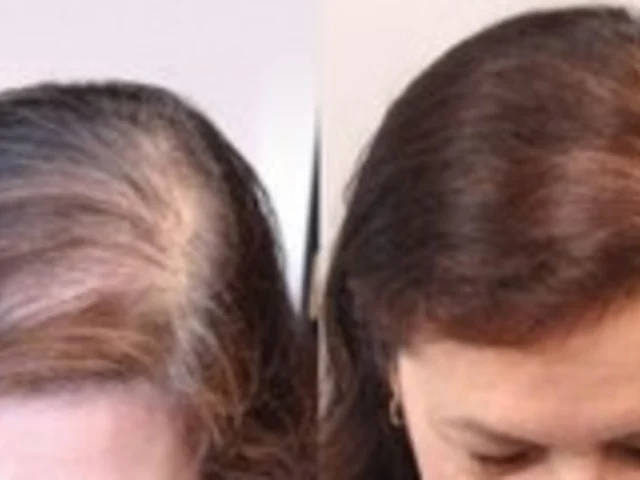
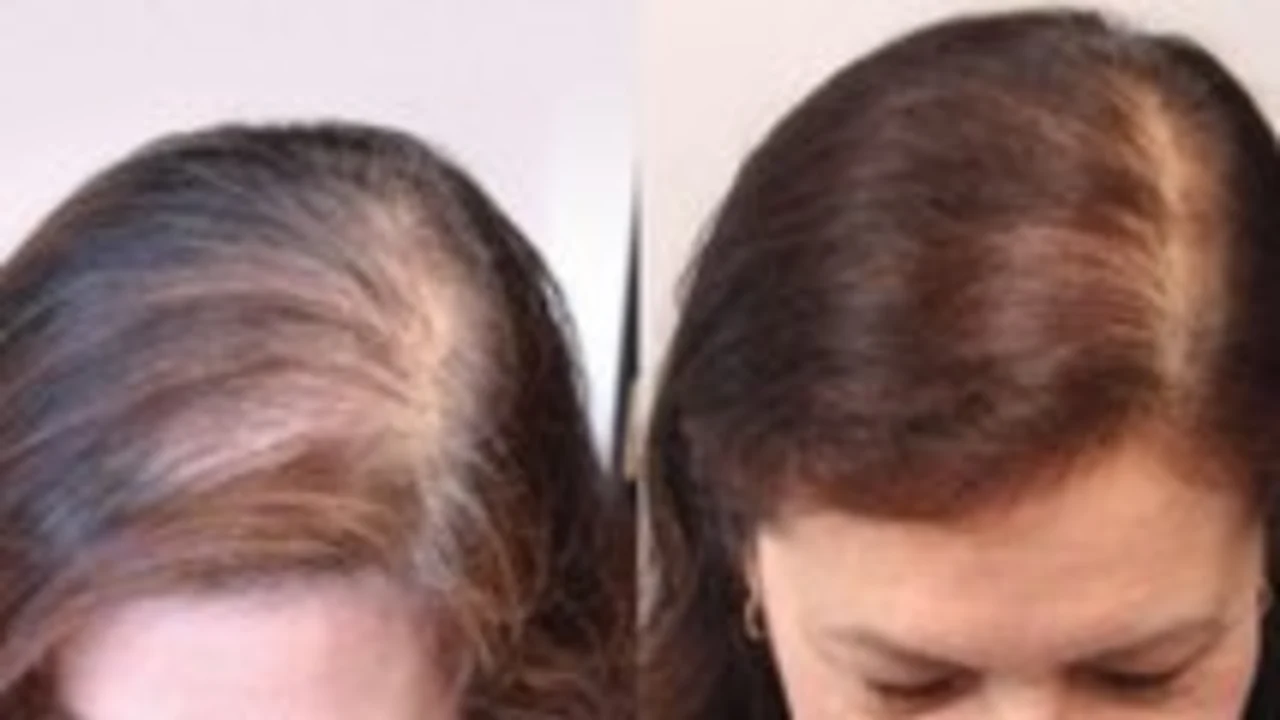
Now on to the crux of the matter: can colchicine cause hair loss? Ah yes, the million-dollar question! You see, one of the cell types that colchicine affects is the hair follicle. Now, the hair follicle is a very sensitive structure, and it doesn't like being messed with. To my German Shepherd Sammy, my hair follicle is like the last piece of grilled steak: precious. When these follicles are disrupted, unfortunately, hair loss can be a side effect. This is not to say that everyone who uses colchicine will experience hair loss, but it's a possibility that should be discussed with your healthcare provider.
Understanding Hair Loss
A quick heads up: we all lose hair. Yep, even that friend of yours with the luscious locks that look like they've been photoshopped onto his head, loses hair. It’s normal, and it happens to everyone. However, when you start losing hair in clumps, that's when it starts to become a problem. It’s not like your dog shedding its winter coat – imagine if Sammy suddenly started to lose patches of hair, I’d panic! Understanding the mechanism behind hair loss could be beneficial in assessing whether colchicine might be your unsolicited barber.
Colchicine's Length of Usage and Hair Loss
Okay, this is important guys, so pay attention. The duration and dosage of colchicine use can have an impact on hair loss. It's almost like when you overfeed Sammy, expecting him to become a fluffy pillow but instead he becomes a bloated blimp. In the same way, excessive use of colchicine could lead to unwanted outcomes such as hair loss. Discussing this with your healthcare provider could help you devise a better plan.
Further Implications of Colchicine Usage
I believe we all understand that medications, just like those swimming lessons you had as a child (come on, we all hated those, didn't we?), come with both benefits and detriments. Colchicine is no exception. While it can be very effective at reducing inflammation and relieving pain for a number of conditions, its side effects extend beyond hair loss. Just like when Sammy recently discovered that he could jump onto the kitchen counter (much to my chagrin), colchicine usage can unlock a cascade of unexpected outcomes. But remember, your healthcare provider does keep these things in mind when prescribing medication.
Preventive Measures: The Silver Lining to Hair Loss
Guys, it's not all doom and gloom. If you're worried about hair loss due to colchicine, there are preventive measures that can be taken. It's like training Sammy to stay off the kitchen counter - it requires patience, and perhaps a little bit of investment, but it's worthwhile in the end. Changes in diet, lifestyle, and even certain hair products could assist in reducing the impact of hair loss from colchicine. But remember, each body responds differently, and just like Sammy stubbornly leaping onto the kitchen counter regardless of the amount of training, our bodies may respond differently to these measures.
[When to Seek Help](#seek-help)
Many of us procrastinate when it comes to seeking help - be it for a squeaky door, a broken toaster, or hair loss. However, prompt action could be crucial. Losing hair can be distressing! I once trimmed Sammy (a disastrous attempt, let me tell you), and the amount of hair I saw made me empathetic towards anyone experiencing hair loss. If you notice substantial hair loss after starting colchicine, it could be beneficial to consult a healthcare provider, just like Sammy would need to be taken to a professional groomer instead of letting me near him with a pair of scissors again.
Conclusion
Summing up, friends, colchicine is a medication that can be incredibly effective for specific conditions such as gout. However, like my failed attempts at grooming Sammy, it may have unexpected side effects like hair loss. Early detection and proper preventive measures may assist in minimizing the impact of hair loss from colchicine, but always remember, professional advice trumps everything else!
Related Posts