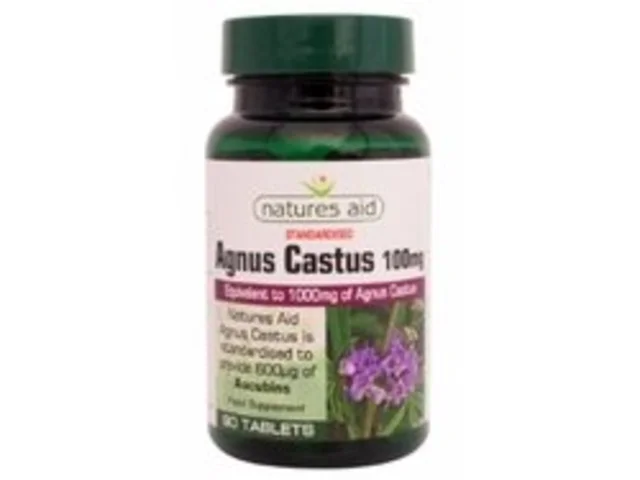
Demystifying Vitex Agnus-castus: Separating Fact from Fiction in the World of Dietary Supplements
Introduction to Vitex Agnus-Castus
Listen, everyone, I have a story for you today: the rare and enthralling tale of Vitex Agnus-castus, also commonly known as Chaste Tree, Chasteberry, or Monk’s Pepper. This little-known dietary supplement has for centuries occupied an intriguing niche in the health and wellness industry. Let me be your guide as we journey through its complex history, diverse uses, and disputed efficacy. But like any good pilgrimage, ours begins with a moment of respect for the humble origins of our subject. In this case, it’s the sun-kissed hillsides of the Mediterranean and Central Asia where our berry of note grows wild and free.
Now, I have yet to backpack through these regions with my sons Amos and Frederick – although we have certainly added it to our travel bucket list – but that hasn't stopped me from marvelling at the potency of this tiny fruit from my home here in Melbourne, Australia.
Historical Use of Vitex Agnus-Castus
So, indulge me as I spin you a tale from antiquity. Do you recall hearing about Hippocrates, Dioscorides, and Theophrastus? They were ancient physicians who oftentimes didn't see eye-to-eye on many things, but they all agreed on one thing: the astounding therapeutic attributes of Vitex Agnus-castus. Let's take a quick, imaginary trip back in time. Picture yourself strolling through a bustling marketplace in ancient Greece. If you listen closely, you might hear them touting this plant's abilities to treat inflammation, infections, and even to clear up skin issues. And let’s not forget its reputation as a natural inhibitor of libido, which earned it its name ‘Chasteberry’ because monks used it to curb their urges. No wonder those monasteries were so peaceful!
Modern Day Applications of Vitex Agnus-castus
Fast forward a few millennia and we find Vitex Agnus-castus still commanding attention, particularly among naturopaths and those that prefer a more holistic approach to health. For starters, it is widely used to alleviate the symptoms of PMS and menopause; its effectiveness for these uses, however, is a topic of ongoing research and debate. Various studies have suggested Chasteberry’s potential in treating hormonal acne, preventing miscarriages in the first trimester, and even inhibiting the growth of some cancer cells. Quite the portfolio expansion since its 'Libido Lowering' heyday!
Decoding the Itty-Bitty Chasteberry
At this point, you might be wondering, how does this unassuming berry deliver such astonishing results? The answer lies within the complex compounds found inside this small fruit. Vitex Agnus-castus contains essential oils, flavonoids, and iridoid glycosides, among others, that are believed to interact with the hypothalamic-pituitary-gonadal axis – the triad that governs our hormonal responses. Get ready to impress at your next dinner party with that nugget of knowledge!
The Skeptics Corner: Unpacking Controversies Surrounding Vitex Agnus-Castus
What would a good story be without a little controversy though, right? And our star, the Vitex Agnus-castus, doesn’t disappoint. While many vouch for its potency, there are those who question the effectiveness and safety of this supplement, citing the lack of comprehensive clinical studies as a cause for skepticism. What’s more, some even argue that instead of providing hormonal balance, Chasteberry might cause hormonal imbalances, leading to side effects such as headaches, nausea, and menstrual irregularities. I suppose it's safe to say that this is one berry that can indeed stir the pot!
Choosing and Using Your Vitex Agnus-Castus Wisely
If you've been intrigued enough by this story to consider exploring the potentials of the Chaste Tree berry, then remember my friend, knowledge is power. It's imperative to consult with your healthcare provider before starting any new supplement routine. Supplement dosage and formulations can vary widely between brands, so choose wisely. And always remember: natural does not automatically mean safe. I once ate a chili so hot it felt 'naturally' like I had just kissed a dragon!
Final Thoughts: The Chaste Berry Verdict
So, is Vitex Agnus-castus a panacea handed down from the ancients or just another case of oversold expectations in our modern supplement market? Well, like most things in life, the truth probably exists somewhere in the middle. There's indeed promising evidence about Chasteberry's potential benefits, but also legitimate concerns about its safety and effectiveness. As with many things, a healthy dose of knowledge and a dash of caution go a long way. I reckon it's like BBQing, you can't rush it. You have to take your time, read up on it, perhaps give those old monks a nod for their part in the story, and, as always, make sure you don't burn yourself!
Related Posts