Misinformation in Health & Pharma – What to Watch Out For

Every day you see headlines promising miracle cures, “secret” supplements, or shocking side‑effects that sound too wild to be true. That noise isn’t harmless; it can steer you toward unsafe products or keep you from proven treatments. Understanding how misinformation spreads and how to check the facts can save you money, time, and health.

Common Types of Health Misinformation

Most false claims fall into a few easy‑to‑recognize categories. First, there are miracle‑cure ads that claim a single vitamin or herb will erase a disease. They often ignore dosage details, interactions, and the fact that real research is limited. Second, you’ll see exaggerated side‑effect lists that make a safe drug look dangerous, pushing people to stop medication abruptly. Third, “viral” stories about online pharmacies promising ultra‑cheap meds usually hide scams or counterfeit products. Finally, some posts cherry‑pick data, quoting one study while ignoring the broader evidence. Spotting these patterns helps you ask the right questions.

How to Verify Medical Information

Start with the source. Government health sites (like FDA or CDC), reputable medical journals, and established clinics are far more reliable than a random blog. Look for author credentials – a pharmacist, doctor, or researcher usually signals expertise. Check the date; outdated guidelines can mislead you, especially with fast‑moving fields like vaccines or COVID‑19 treatments. If a claim cites a study, see if the study is peer‑reviewed and if the sample size is reasonable. When in doubt, ask a healthcare professional. A quick call or message can clear up confusing jargon and confirm whether a supplement or drug is safe for you.

Don’t overlook the power of community reviews. Sites that aggregate user experiences can highlight red flags – such as repeated complaints about a pharmacy’s delivery delays or counterfeit pills. However, treat personal anecdotes as clues, not proof. They can point you toward a problem, but the medical facts still come from clinical evidence.

Finally, trust your gut about the tone. Content that uses all‑caps, urgent warnings, or promises a “secret formula” is often designed to grab clicks, not inform. Real medical advice sticks to balanced language, mentions risks and benefits, and encourages you to talk with a professional.

By applying these steps, you can cut through the noise and make choices based on solid information. Remember, the internet is a useful tool, but it’s only as good as the sources you trust.

Stay curious, stay skeptical, and keep your health decisions grounded in evidence. If you ever feel unsure, reach out to a pharmacist or doctor – they’re there to help you sort fact from fiction.

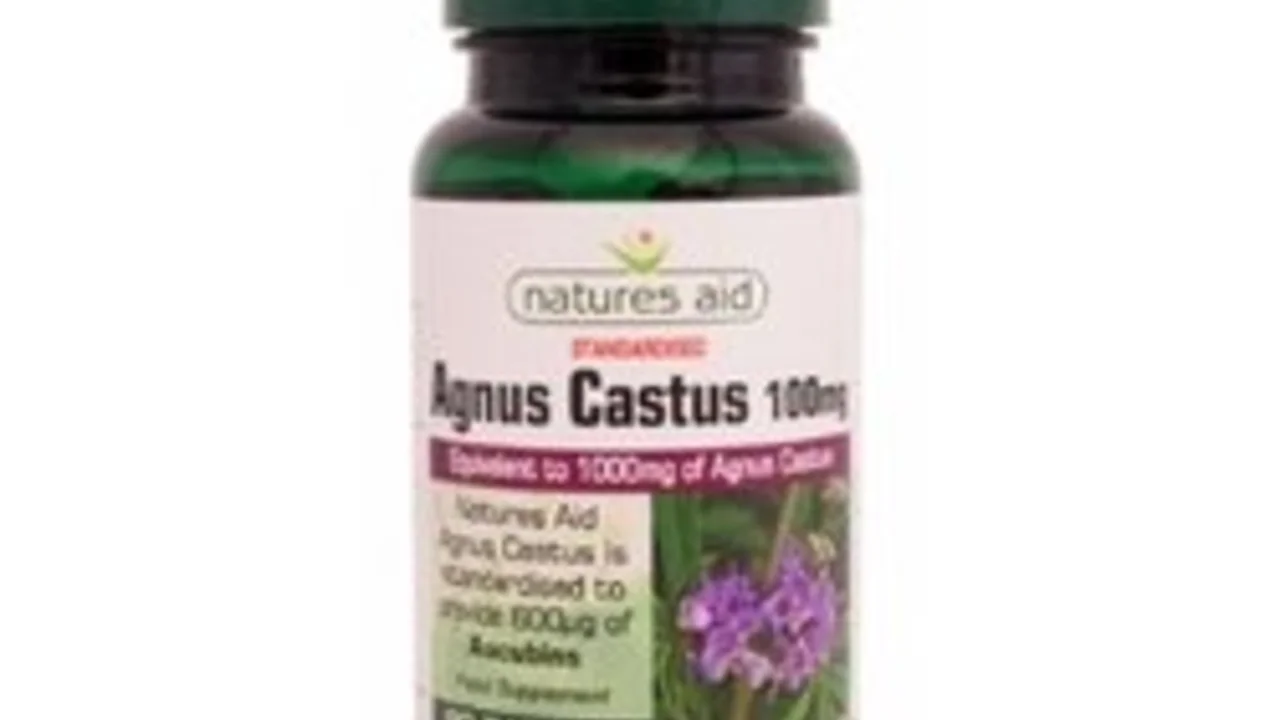
Demystifying Vitex Agnus-castus: Separating Fact from Fiction in the World of Dietary Supplements

Demystifying Vitex Agnus-castus: Separating Fact from Fiction in the World of Dietary Supplements

Hi there, it's your friendly neighborhood blogger here ready to clear the fog surrounding Vitex Agnus-castus. Between the myths and the marketing, it's easy to get lost. That's why I've decided to dissect the truth about this frequently marketed dietary supplement. In this post, we discuss its real health benefits, whilst exposing the areas where fiction has been passed off as fact. Let's embark on this journey of debunking misinformation, leading us to healthier choices.

Read More