Dietary Supplements: What Works, What Doesn’t, and How to Choose Safely

If you’ve ever stood in the aisle wondering whether that bright‑orange bottle will actually help, you’re not alone. The market is flooded with vitamins, minerals, herbs, and “superfood” extracts, each promising a miracle. The good news? Some of them do have solid evidence behind their claims. The bad news? A lot of hype can lead you to waste money or even risk side effects.

Let’s cut through the noise. Below you’ll find the most common supplement categories, what the research says, and quick tips to make sure you’re buying a product that lives up to the label.

Key Benefits and Common Types

Multivitamins. A daily multivitamin can fill small gaps in a diet that’s missing fruits or veggies. Look for one that matches your age and gender, because nutrient needs change over time.

Omega‑3 Fish Oil. EPA and DHA are the star fatty acids that support heart and brain health. Studies show a dosage of 1,000 mg combined EPA/DHA can lower triglycerides. Choose bottles that list the actual EPA/DHA amount, not just total oil.

Vitamin D. If you live in a cloudy region or spend most time indoors, you likely need a supplement. Blood tests can tell you if you’re below the 30 ng/mL threshold; a typical maintenance dose is 1,000–2,000 IU per day.

L‑Carnitine. Popular for weight loss and energy, L‑Carnitine helps shuttle fatty acids into the mitochondria. Research shows modest benefits when combined with exercise, but it’s not a magic fat‑burner.

Jojoba Oil. Mostly known for skin, jojoba can also be taken in capsule form as a source of naturally occurring wax esters. It’s stable, doesn’t oxidize quickly, and may support a balanced lipid profile.

Other niche options like nicotinamide (vitamin B3) for eye pressure or aripiprazole repurposed for fibromyalgia appear in specialty articles, but they’re not mainstream supplement choices.

Safety Tips and Buying Guides

First, always check for third‑party testing. Look for seals from NSF, USP, or ConsumerLab. These programs verify that what’s on the label matches what’s inside.

Second, read the ingredient list for fillers, artificial colors, or allergens. Many cheap brands bulk up with magnesium stearate or silicon dioxide, which are usually harmless, but if you have sensitivities, you’ll want to avoid them.

Third, watch the dosage. More isn’t always better—excess vitamin A can be toxic, and too much iron hurts the liver. Follow the Recommended Daily Allowance (RDA) unless a doctor tells you otherwise.

Fourth, talk to your pharmacist or doctor before starting a new supplement, especially if you’re on prescription meds. Interactions can happen; for example, high-dose fish oil may thin the blood, and calcium can interfere with certain antibiotics.

Finally, buy from reputable online pharmacies or trusted brick‑and‑mortar stores. Check reviews, verify the website’s SSL certificate, and avoid sites that offer “miracle cures” at unbelievably low prices.

By focusing on evidence‑backed nutrients, checking for quality seals, and keeping dosages realistic, you can turn supplements into a helpful addition to a balanced diet rather than a risky gamble. Want to dive deeper? Browse our articles on L‑Carnitine, Jojoba, and eye‑health vitamins for specific dosage charts and safety notes.

Remember, supplements work best when paired with whole foods, regular exercise, and adequate sleep. They’re a piece of the health puzzle, not the whole picture.

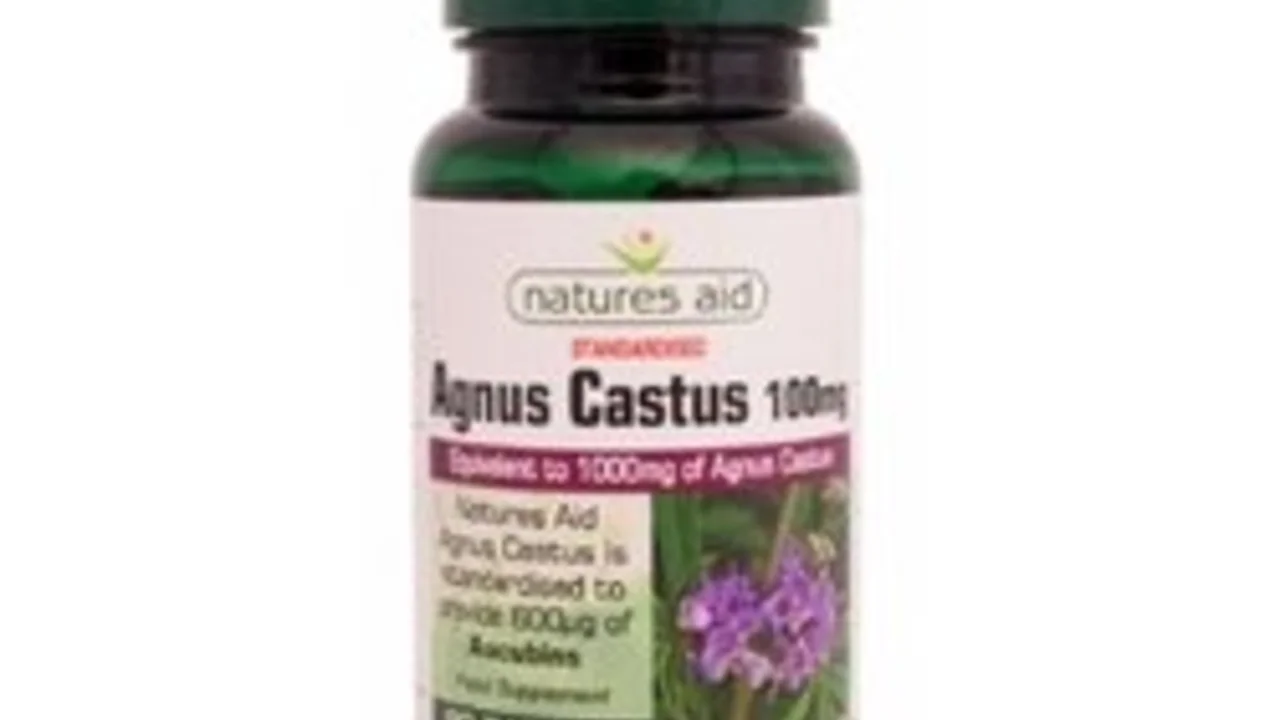
Demystifying Vitex Agnus-castus: Separating Fact from Fiction in the World of Dietary Supplements

Demystifying Vitex Agnus-castus: Separating Fact from Fiction in the World of Dietary Supplements

Hi there, it's your friendly neighborhood blogger here ready to clear the fog surrounding Vitex Agnus-castus. Between the myths and the marketing, it's easy to get lost. That's why I've decided to dissect the truth about this frequently marketed dietary supplement. In this post, we discuss its real health benefits, whilst exposing the areas where fiction has been passed off as fact. Let's embark on this journey of debunking misinformation, leading us to healthier choices.

Read More