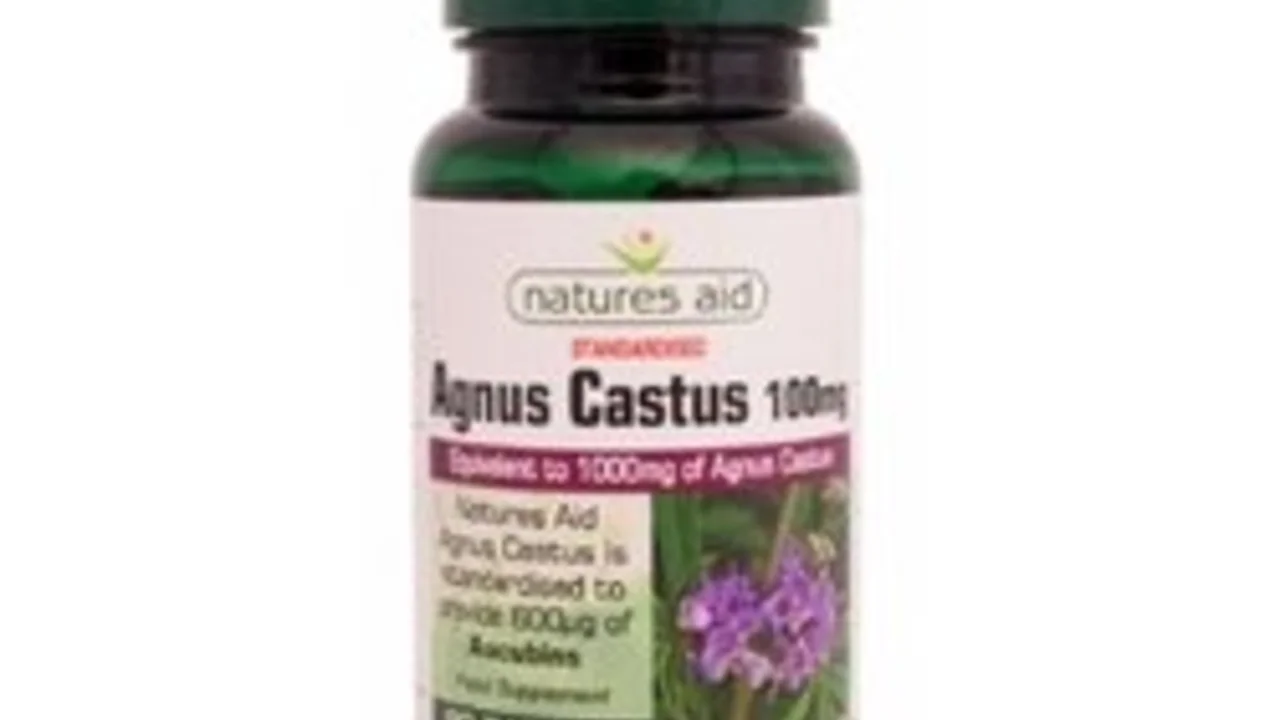
Vitex Agnus-castus: What It Is, How It Helps, and How to Use It Safely

Ever heard of chaste tree or Vitex? It’s a plant that’s been used for centuries to smooth out hormonal bumps, especially for women dealing with irregular periods, PMS, or menopause symptoms. If you’re curious whether a herbal supplement can fit into your routine, this guide breaks down the basics, the science, and the practical steps you need.

How Vitex Works

Vitex contains compounds called flavonoids and iridoid glycosides. Those chemicals talk to the pituitary gland, the brain’s hormone command center. When the pituitary receives the signal, it tweaks the production of luteinizing hormone (LH) and follicle‑stimulating hormone (FSH). In plain English, Vitex can help bring the estrogen‑progesterone balance back into shape.

Most people notice the biggest changes in the first two to three menstrual cycles. Your cramps may feel milder, mood swings can smooth out, and you might see a more predictable period length. Men and athletes sometimes use Vitex for stress‑related cortisol spikes, but the research is still early.

Practical Tips for Using Vitex

Start with a low dose—usually 400 mg of a standardized extract taken once daily with food. Some brands recommend splitting the dose into morning and evening; pick what fits your schedule. Give it at least 12 weeks before judging the results; hormones move slowly, and the body needs time to adjust.

Watch for side effects. Most users report none, but a few experience mild stomach upset or a temporary increase in acne. If you’re on birth control, blood thinners, or hormone therapy, check with a doctor first—Vitex can interact with those meds.

Where to buy? Look for reputable online pharmacies or health stores that list the exact extract strength and have third‑party testing. Avoid products that claim “instant hormonal balance,” because real changes take weeks.

If you miss a dose, just take it when you remember—don’t double‑up. Consistency is key, and setting a daily reminder can help. Some people cycle Vitex: three months on, one month off, to keep the body from getting too used to the herb. Your experience may vary, so pay attention to how you feel.

Finally, pair Vitex with lifestyle habits that support hormone health: steady sleep patterns, balanced meals rich in fiber and healthy fats, and regular gentle exercise. The supplement works best when it’s part of a whole‑body approach.

Bottom line: Vitex Agnus‑castus is a low‑risk option for many looking to tame hormonal ups and downs. Start low, stay consistent, and give it a few months to show results. If anything feels off, talk to a healthcare professional. With the right product and a sensible plan, Vitex can be a useful tool in your health toolbox.

Demystifying Vitex Agnus-castus: Separating Fact from Fiction in the World of Dietary Supplements

Demystifying Vitex Agnus-castus: Separating Fact from Fiction in the World of Dietary Supplements

Hi there, it's your friendly neighborhood blogger here ready to clear the fog surrounding Vitex Agnus-castus. Between the myths and the marketing, it's easy to get lost. That's why I've decided to dissect the truth about this frequently marketed dietary supplement. In this post, we discuss its real health benefits, whilst exposing the areas where fiction has been passed off as fact. Let's embark on this journey of debunking misinformation, leading us to healthier choices.

Read More